From first prototype to a part that's actually ready to make.
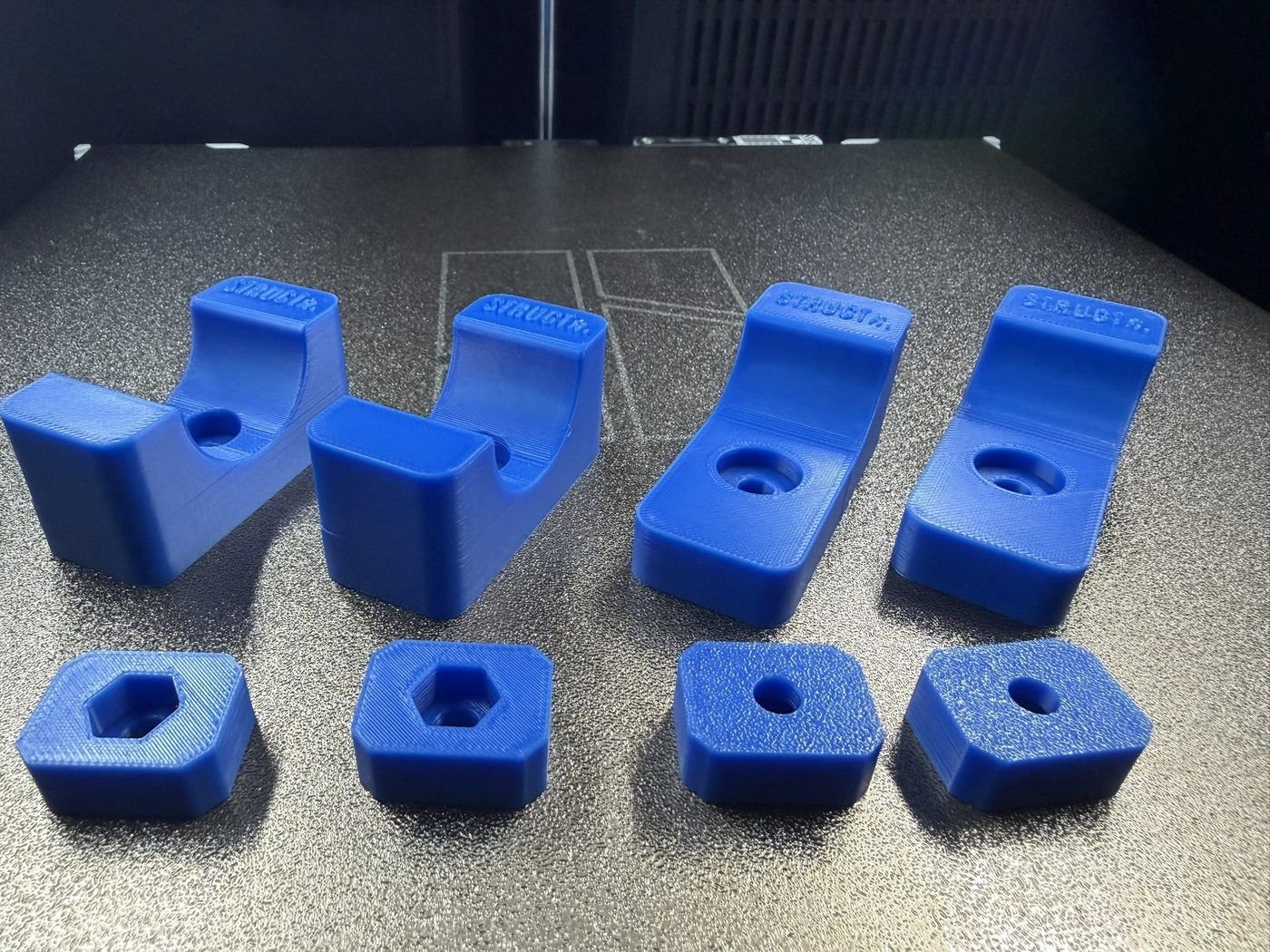
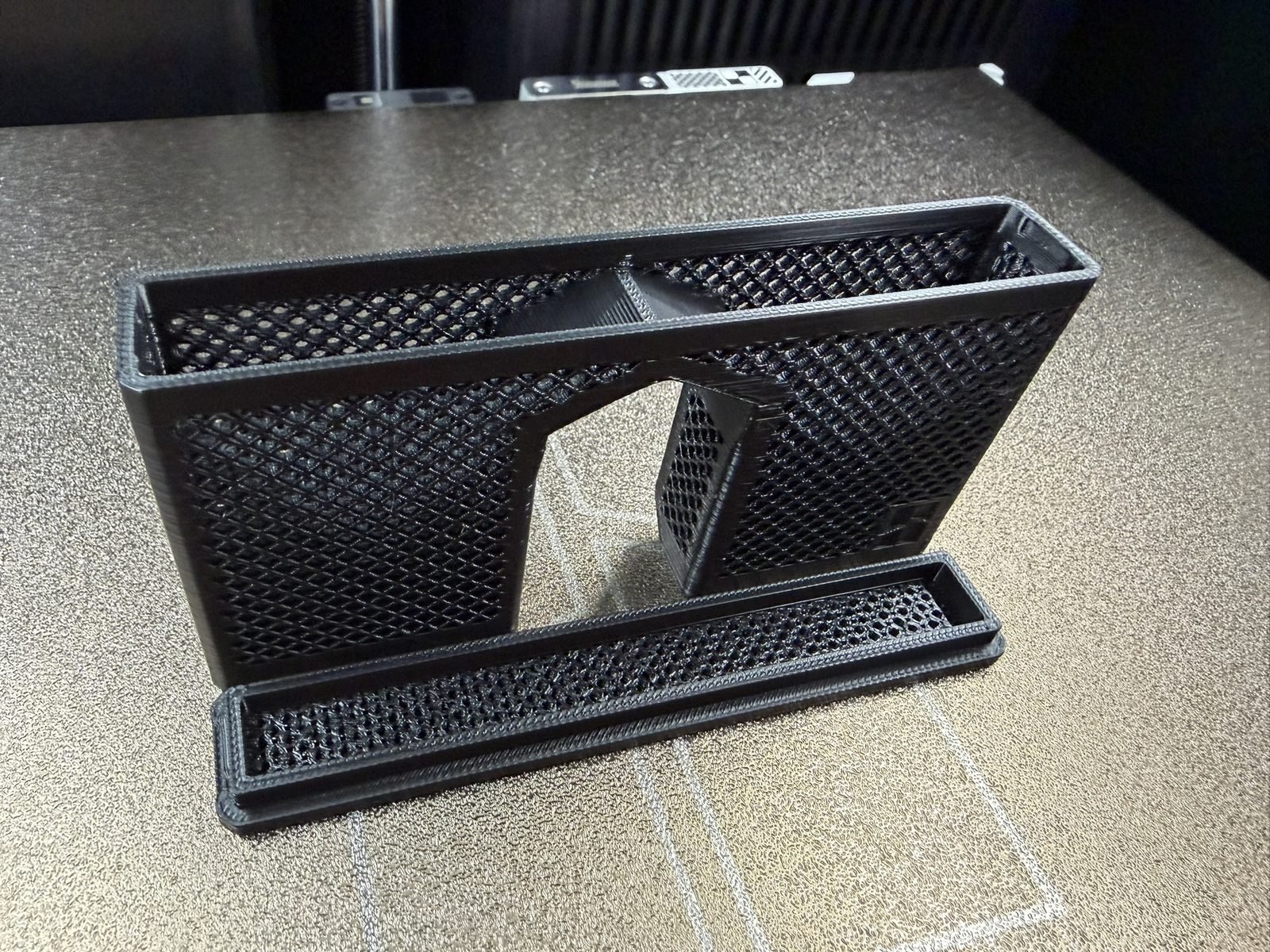
Rapid prototyping — mostly through our own carbon-fibre 3D printing floor — to validate fit, form and function before you commit to tooling or a production run, with every iteration feeding straight back into the CAD model.
How we prototype
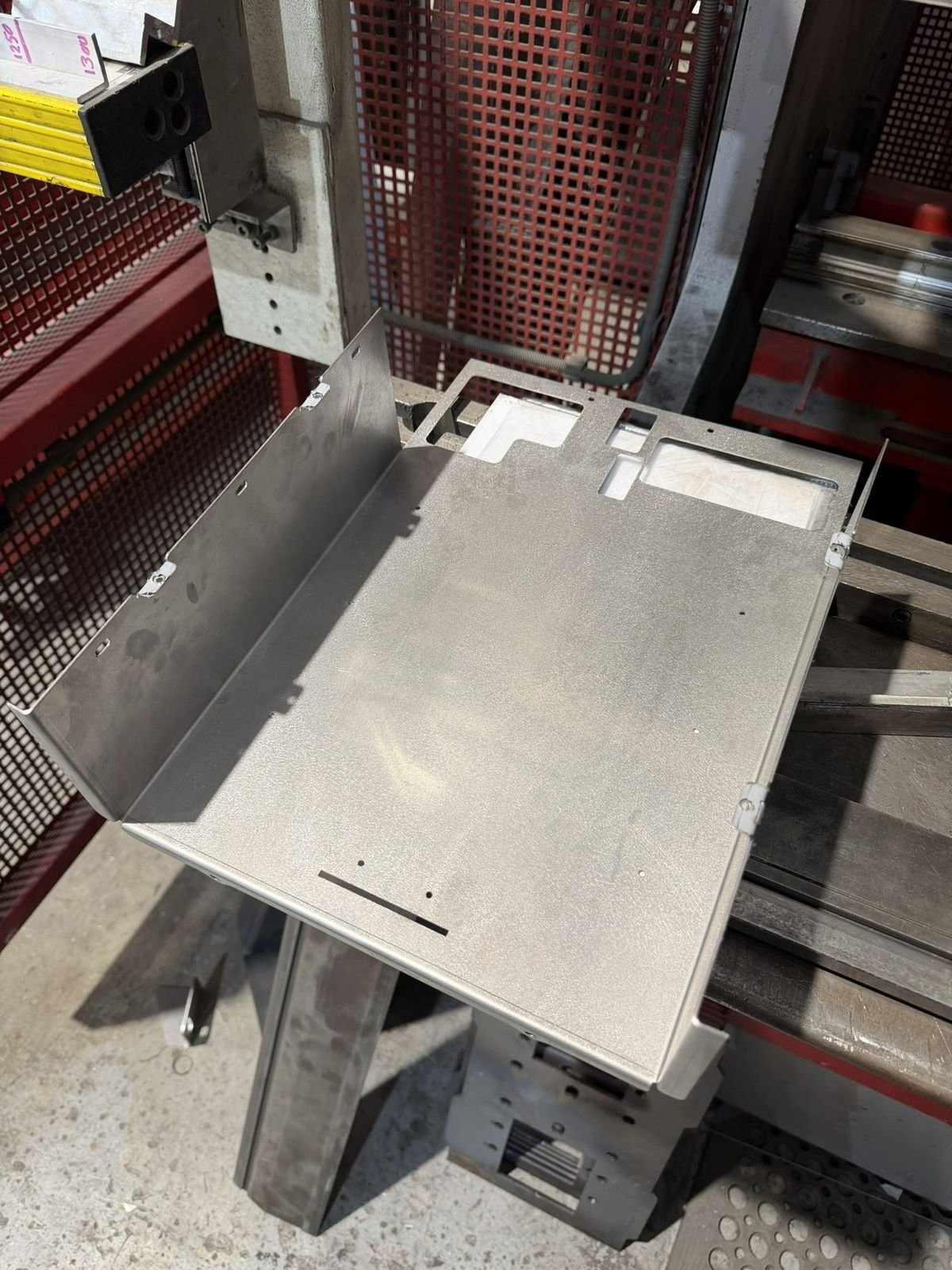
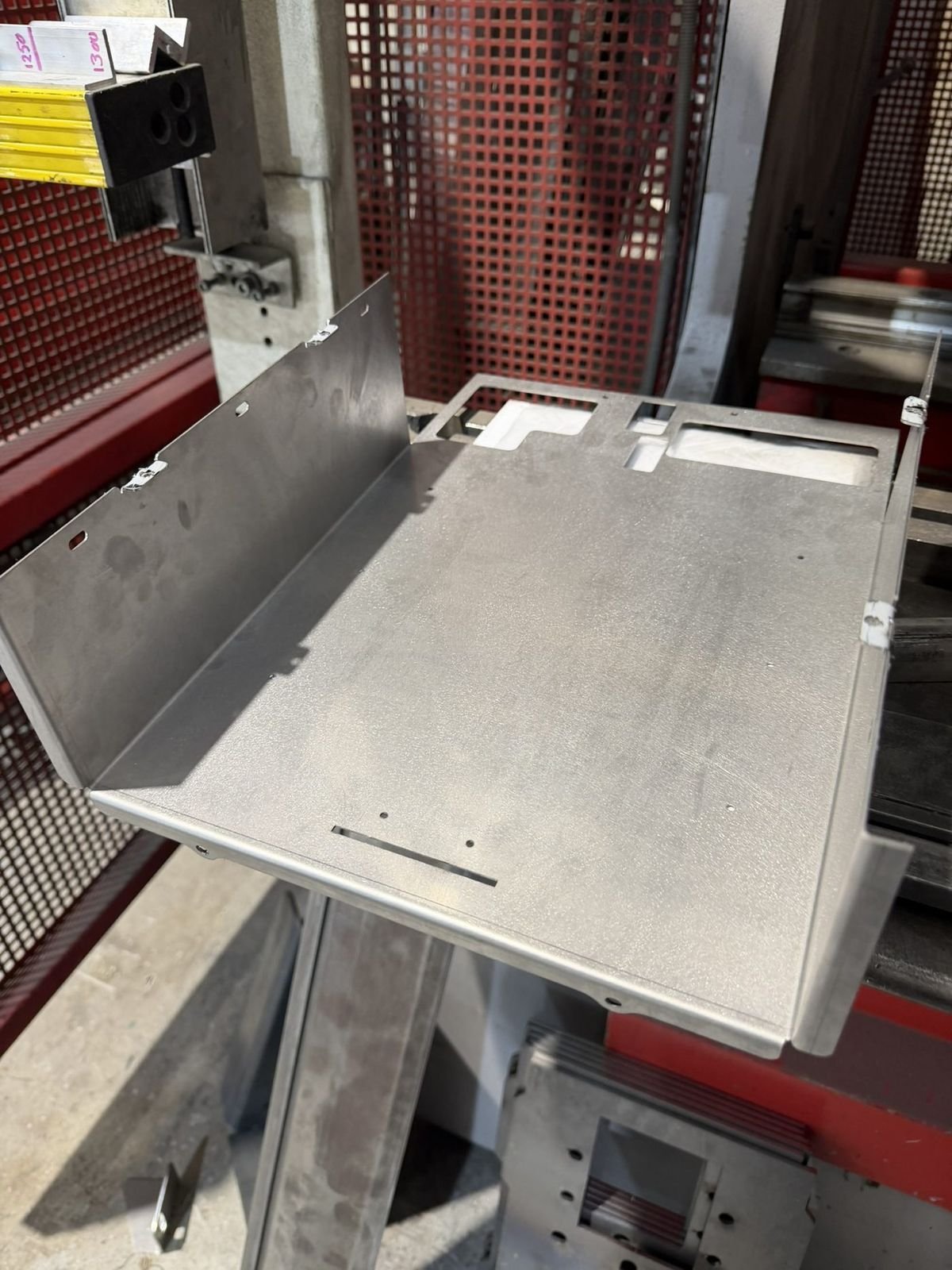
Mostly carbon-fibre and glass-fibre reinforced 3D printing — see 3D Printing — for functional prototypes that are stiff and dimensionally stable enough to test under real load, not just look right on a desk. Where a prototype needs sheet metal or a machined mock-up instead, that goes through our own shop floor the same way a production part would.
Iterate, then commit
Every issue caught in a printed prototype is one that never shows up after tooling's been cut — where it's expensive to fix and slow to change. We build the DfM discipline into the loop from the first iteration, see Design for Manufacture.
Prototypes and first-run parts
engineering filament